“Have You Ever Felt Like Just Giving Up?”:
Suicide Prevention for Seniors (Click “Workshops & Programs” above.)
Mindfulness Training for Mental Health, Wellness & the Workplace
Covered by Most Insurance Companies
Andrew is a Mindfulness Instructor and Trainer, Workshop Facilitator, and Author (see Bio).
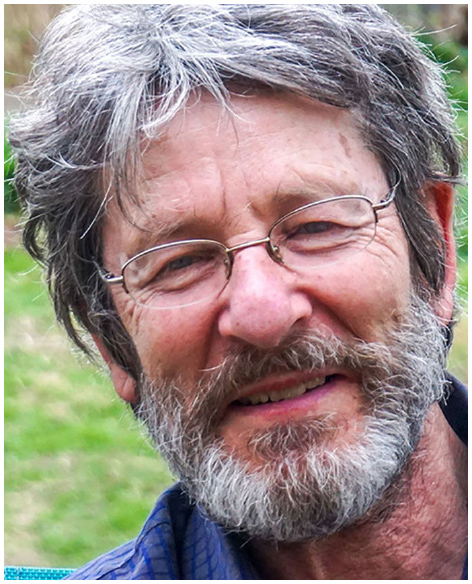
Andrew Safer, N.D.* Mindfulness Training:
Groups & One-on-One Consultations
*N.D. = Naturopath Designation. As of January 2026, Andrew is a member of the Academy of Naturopaths and Naturotherapists of Canada (ANNC). He qualifies under the Meditation subcategory.
WHAT WE DO

Andrew provides applied-mindfulness training consultations and workshops for the general public and for people facing issues related to mental health and addictions, and the workplace..
The training is based on 55+ years as a mindfulness practitioner and 30+ years as a mindfulness instructor—including 15 years in St. John’s.
His view is holistic (mind and body are not separate), and recognizes the individual’s inherent goodness as their fundamental strength and capacity.
He is not a counsellor or psychotherapist, does not do clinical work or talk therapy, and does not advise clients about medication.
To learn about current and recent workshops and trainings, click here.
Select your area of interest and learn about Andrew’s applied mindfulness approach. The links provided will take you to outcomes for the area selected.
Mental Health and Addictions
Workplace
Other

Anxiety is natural in times of uncertainty, but our aversion response makes it problematic. Mindfulness develops non-judgment which gives us an unbiased view, allowing us to relate to the actual situation, rather than getting entangled in our emotional reaction to it.

Stress is a demand placed on our system, either internal (for example, our own unrealistic expectations) or due to outside factors (such as a heavy workload). When these pressures throw us off balance, we experience stress. Mindfulness helps us develop self-awareness, which enables us to be proactive rather than reactive, and manage the circumstances instead of caving in to the pressure.
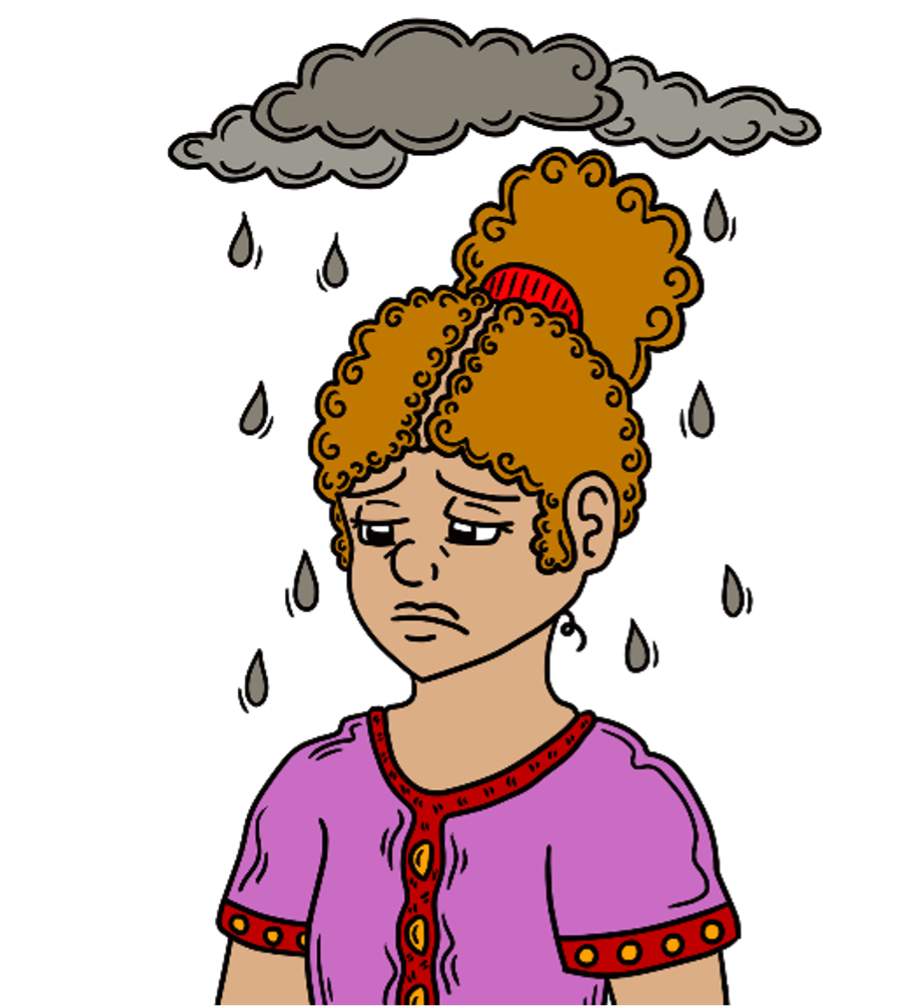
Depression Whether you are clinically depressed, or simply feeling low and unable to get out of your own way, depression is characterized by rumination. We think over and over about negative events/experiences, usually from the past. Mindfulness practice instills in us the ability to recognize thoughts and redirect our attention to the present moment. It also trains us in self-compassion—treating ourselves with acceptance and kindness, rather than self-criticism and contempt.

Addictions Whether it’s a substance (drugs, alcohol, cigarettes, etc.) or non-substance (gambling, video games, phone, etc.) there is an overwhelming attraction to consume/engage in the activity. The principles that underpin Mindfulness see craving/grasping/attachment as the cause of suffering. With mindfulness practice, we learn to see these obstacles in perspective–take a mental step back–and begin to work productively with locked-in states of mind.
Suicidal Thoughts However drastic and hopeless these thoughts are, we can work with them because through mindfulness practice, we learn 1) to recognize them as thoughts—not reality, 2) that they are not permanent—they come and go, and 3) that they are not “me”; not who I am. Together, this adds up to a powerful arsenal for self-protection. To read a one-on-one outcomes report, click here.

ADHD Symptoms Whether the challenges are related to attention/focus or impulsivity, mindfulness practices—formal and informal—can be quite helpful in training healthy habits of mind. Getting to know the mind is the fundamental benefit, along with an appreciation of simplicity, orienting to the present moment, self-kindness, and emotional regulation. To read a one-on-one outcomes report, click here.

“Workplace Mindfulness” There are many aspects of Mindfulness that relate to conduct in the workplace, ranging from getting caught up in the details and missing the big picture, to communication missteps which can be aided through practices such as pausing and mindful listening. The comprehensive “Workplace Mindfulness” program delves into these applied mindfulness elements, helping to deal proactively with stress and build resilience.

Resilience Since we cannot control whether we have difficulties, the next best thing is to have the ability to recover from them when they occur. Whether it’s recovering from a setback or stabilizing from grief, self-criticism, or any challenging emotion or state of mind, mindfulness practice teaches us how to recognize and acknowledge them rather than becoming hijacked by them. The full suite of mindfulness principles, practices and exercises helps us to restore balance.
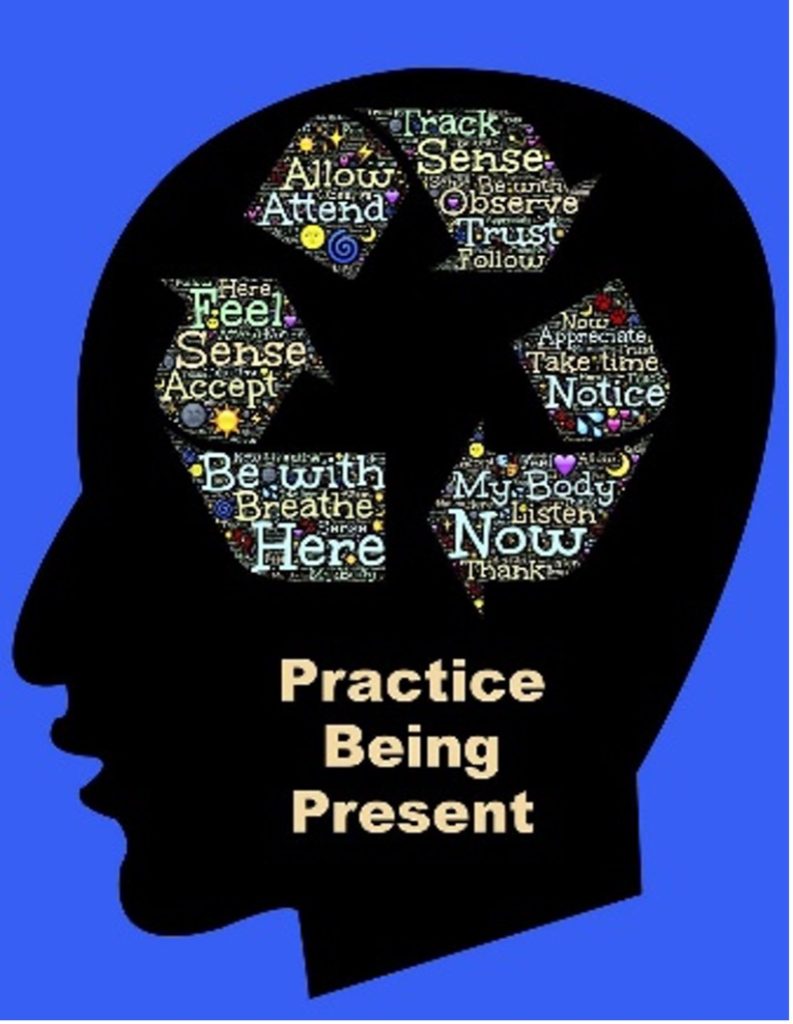
General In the absence of a particular identified issue, the desire to learn Mindfulness opens us up to developing attention, present-moment awareness, non-judgment, self-compassion, and relating to things as they are instead of our own version of them.
Book a discovery chat with Andrew

Youth (18 to 29) From the perspective of Mindfulness Training, individuals in this age range are not much different from older adults. The same issues are present: getting carried away by our wandering mind which pulls us from our intention, impulsivity, communication challenges, and difficulties dealing with emotions. Distractibility may be intensified due to greater use of digital media. All of these challenges can be worked with through Mindfulness, both the formal and everyday life practices.
Mindfulness Meditation Instructor Training
The in-depth Mindfulness-Awareness Meditation Instructor Training Course is underway. This is for (1) individuals with a minimum of two years experience with mindfulness meditation practice who would like to become meditation instructors/teachers, and (2) individuals who would like to deepen their understanding of Mindfulness and Meditation but are not interested in becoming teachers.

Insurance Coverage
To be reimbursed for the cost of one-on-one sessions, it is best to check with your insurance company. Most private insurers in Canada provide coverage, typically 70 to 80 per cent.

One-on-One Sessions
These meetings are conducted either on Zoom or in-person.
In these confidential sessions, we may also refer to slides from presentations related to your topic area (Anxiety, Depression, etc.).
The client discusses any current challenges they would like to raise, Andrew gives mindfulness practice instruction if needed, and a short period of meditation practice follows. We then explore relevant elements of the practice or philosophy that can support wellness. Andrew also provides guidance on developing a regular practice,
There is flexibility to tailor the sessions to whatever is arising at the moment, which is not possible in a group format.
Between sessions, Andrew sends links to relevant articles and videos, and suggests readings from one of his books, Anxiety, Stress & Mindfulness or Mindfulness in the Workplace.
Andrew highly recommends a course of weekly sessions to aid in developing consistency with the meditation practice, and meaningful engagement with the material presented.
Groups
Groups are more structured than one-on-one sessions. After a check in, there is guided practice, followed by a presentation on the evening’s topic, Q&A, and discussion.
Between sessions, Andrew sends links to relevant articles and videos, and suggests readings from one of his books, Anxiety, Stress & Mindfulness, or Mindfulness in the Workplace.
Groups (multi-week workshop series) that are offered free of charge (“Suicide Prevention Through Mindfulness Training”, and “Mindfulness in Recovery” (Addictions)) are dependent on funding having been committed for that particular program.
Other groups are fee-based, for example, “Building Resilience Through Mindfulness” ran in the Winter months, 2026. The free introductory workshop was in late January.
Workshops
Various workshops are offered throughout the year. Most recently, Andrew co-presented “The Wisdom of Mindfulness Meditation” with Michael Carroll of The Wisdom Seat in Philadelphia on February 5th on Zoom.
Hosted by Canadian Mental Health Association—Nova Scotia’s THRIVE program, Andrew presented a one-hour workshop on “Respond Don’t React: Mindfulness Tools for Anxiety” on February 10th on Zoom to approximately 50 participants..